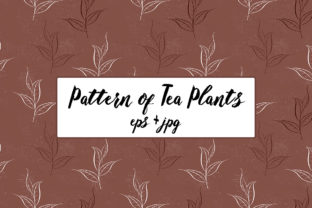
Pattern of Tea Plants: A Modern Design Element for Creatives and Entrepreneurs
In the ever-evolving world of design, patterns have always played a crucial role in shaping aesthetics and functionality. One such pattern that has recently gained traction among designers, marketers, and entrepreneurs is the Pattern of Tea Plants. This intricate and elegant design combines elements of nature with modern minimalism, offering a versatile tool for branding, marketing, and creative projects.
The Essence of Pattern of Tea Plants
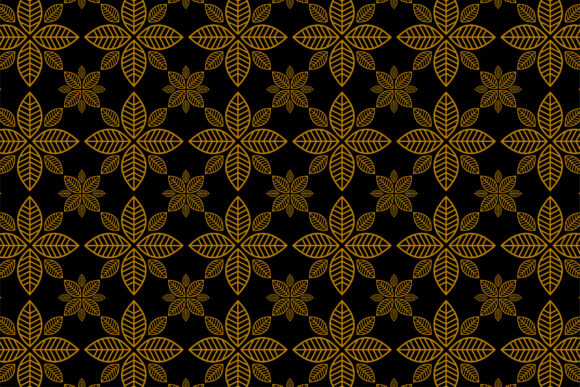
The Pattern of Tea Plants is a seamless, stylized representation of tea plant foliage, featuring leaves, sprouts, and floral elements. It is typically rendered in high-quality vector format, allowing for scalability without loss of detail. The design often incorporates natural textures, contour lines, and floral motifs to create a visually engaging and organic feel.
This pattern is not just a visual element; it carries symbolic meaning. Tea plants represent growth, sustainability, and mindfulness—values that resonate deeply with today’s conscious consumers. As a result, the Pattern of Tea Plants has become a popular choice for those looking to align their brand identity with eco-friendly and wellness-oriented lifestyles.
Why Is Pattern of Tea Plants Gaining Attention?
The increasing demand for seamless vector patterns reflects broader trends in design and digital creation. With the rise of remote work and digital-first businesses, professionals are seeking tools that enhance productivity while maintaining an aesthetic appeal. The Pattern of Tea Plants fits perfectly into this context, offering both visual sophistication and functional utility.
Moreover, the growing popularity of grunge and modern design styles has led to a renewed interest in organic, natural elements. The Pattern of Tea Plants provides a bridge between these styles, combining the raw energy of grunge with the clean lines of modern design. Its versatility makes it suitable for a wide range of applications, from website backgrounds to product packaging.
Applications Across Industries
The Pattern of Tea Plants is not limited to one industry—it can be adapted across multiple sectors, including:
- Branding and Marketing: Use as a background or accent in logos, social media graphics, and promotional materials.
- Web and App Design: Incorporate as a subtle texture or repeating pattern in user interfaces for a calming, nature-inspired look.
- Fashion and Textiles: Print on fabric or use as a decorative element in clothing, accessories, and home decor.
- Interior Design: Apply to wall coverings, textiles, or furniture to create a serene and inviting atmosphere.
Its ability to blend seamlessly with other design elements makes it a valuable asset for creators looking to build cohesive and meaningful visual identities.
Trends Driving the Popularity of Pattern of Tea Plants
Several key trends are contributing to the rising popularity of the Pattern of Tea Plants:
- Sustainability: As consumers become more environmentally conscious, brands are incorporating eco-friendly themes into their designs. The Pattern of Tea Plants naturally aligns with this movement, offering a way to communicate sustainability through visual storytelling.
- Minimalism: In a world saturated with information, minimalistic design remains highly sought after. The Pattern of Tea Plants offers a refined, understated aesthetic that complements this trend.
- Digital Transformation: The shift toward digital-first workflows has increased the need for scalable, high-quality assets. The Pattern of Tea Plants, available in vector format, meets this demand with its flexibility and adaptability.
- Wellness and Mindfulness: The association of tea with relaxation and mental clarity has made the Pattern of Tea Plants a powerful symbol for wellness-focused brands and products.
Practical Examples and Observations
Looking at real-world applications, the Pattern of Tea Plants has been successfully used in various ways:
Example 1: Branding
A wellness startup used the Pattern of Tea Plants as the foundation for their logo and website background. The design created a sense of calm and authenticity, reinforcing the brand’s commitment to natural and mindful living.
Example 2: Product Packaging
A premium tea company incorporated the Pattern of Tea Plants into their packaging design. The pattern added a touch of elegance and helped differentiate their products in a competitive market.
Example 3: Digital Assets
A freelance designer used the Pattern of Tea Plants as a background in a client’s website. The subtle repetition of the pattern enhanced the overall user experience without overwhelming the content.
Connecting to Larger Developments
The growing interest in the Pattern of Tea Plants is part of a larger shift in how we perceive and interact with design. As technology continues to evolve, so too do our expectations for what design can offer. The Pattern of Tea Plants exemplifies this evolution by blending traditional craftsmanship with digital innovation.
Additionally, the increasing availability of high-quality, editable assets like the Pattern of Tea Plants in formats such as EPS and JPG has made it easier for designers and entrepreneurs to incorporate these elements into their work. This accessibility has democratized design, enabling even small businesses and independent creators to compete on a global scale.
Conclusion
The Pattern of Tea Plants is more than just a design element—it is a reflection of current trends, values, and aspirations. Whether you are a professional designer, entrepreneur, or creative enthusiast, this pattern offers a unique opportunity to connect with your audience through visual storytelling.
As the demand for sustainable, stylish, and meaningful design continues to grow, the Pattern of Tea Plants will undoubtedly remain a relevant and influential asset in the creative landscape. By embracing this pattern, you are not only enhancing your visual identity but also aligning with a movement that values authenticity, nature, and innovation.