Sweet Butterflies and Flower: A Strategic Design Resource for Creative and Business Applications
The Sweet Butterflies and Flower seamless pattern is more than just a decorative element—it’s a versatile design asset that can elevate your creative projects, branding efforts, and operational efficiency. Whether you're an entrepreneur, designer, or small business owner, understanding how to strategically use this pattern can lead to better outcomes in both personal and professional contexts.
What Is Sweet Butterflies and Flower?
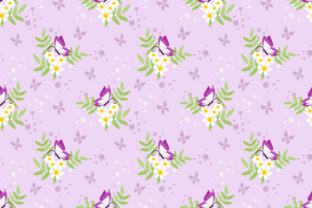
Sweet Butterflies and Flower is a seamless repeating pattern featuring delicate butterflies and floral elements. It is designed to be used across multiple mediums, including fabric, wallpaper, gift wrapping, and digital backgrounds. The pattern is available in a zip file containing EPS 8 and JPG formats, making it compatible with industry-standard design software like Adobe Illustrator, Inkscape, and Affinity Designer.
This pattern is not just visually appealing; it's also highly functional. Its seamless nature means it can be used without visible seams, making it ideal for large-scale applications such as wall coverings or fabric prints. The combination of butterflies and flowers adds a touch of elegance and whimsy, which can be strategically leveraged in various creative and business scenarios.
Why Sweet Butterflies and Flower Matters Strategically
Strategic use of Sweet Butterflies and Flower can support a wide range of goals, from enhancing brand identity to improving customer engagement. For instance, in the realm of branding, this pattern can help create a cohesive visual language that resonates with your target audience. The floral and butterfly motifs are universally recognized as symbols of beauty, growth, and transformation—concepts that can align with your brand values and messaging.
From a practical standpoint, the pattern’s versatility allows it to be applied across different industries. Educators might use it to create engaging learning materials, while marketers could incorporate it into campaign visuals to evoke a sense of warmth and connection. The key lies in using it intentionally rather than randomly, ensuring that every application aligns with specific objectives.
When to Use Sweet Butterflies and Flower
The timing of when you choose to use Sweet Butterflies and Flower can significantly impact its effectiveness. Consider using it during phases of your project where visual appeal and emotional resonance are crucial. For example:
- Product Launches: Incorporate the pattern into packaging or promotional materials to create an inviting and memorable experience.
- Seasonal Campaigns: Use it during spring or summer months to evoke feelings of renewal and joy.
- Interior Design Projects: Apply it to wall coverings or textiles to enhance the aesthetic of a space.
- Marketing Collateral: Utilize it in brochures, banners, or social media graphics to maintain a consistent brand image.
By aligning the use of the pattern with specific strategic moments, you can maximize its impact and ensure it contributes meaningfully to your overall goals.
How to Approach Sweet Butterflies and Flower Intentionally
To use Sweet Butterflies and Flower effectively, start by defining clear objectives. Ask yourself: What do I want to achieve with this design? How does it support my broader strategy? Once you have a clear purpose, consider the following steps:
- Define Your Audience: Understand who will see or interact with the pattern. This will guide your choice of colors, scale, and placement.
- Align with Brand Identity: Ensure the pattern complements your brand’s visual style and messaging.
- Test in Context: Preview the pattern in real-world applications to assess how it performs in different settings.
- Iterate Based on Feedback: Gather insights from stakeholders or users to refine your approach.
Intentional use of the pattern ensures that it doesn’t become a distraction but rather a valuable component of your creative and business toolkit.
Practical Examples and Strategic Observations
Let’s explore a few practical examples of how Sweet Butterflies and Flower can be applied strategically:
Example 1: Branding for a Wellness Business
A wellness company aiming to convey growth and renewal might use the pattern in their logo, website background, and product packaging. The butterflies symbolize transformation, while the flowers represent natural beauty and healing. This alignment reinforces the brand’s message and creates a cohesive visual identity.
Example 2: Educational Materials
An educator designing interactive learning kits could use the pattern as a background for worksheets or activity guides. The soft, elegant design can make educational content feel more engaging and less rigid, encouraging creativity among students.
Example 3: Customer Experience Enhancement
A boutique retailer might incorporate the pattern into their store décor or packaging to create a warm, inviting atmosphere. This subtle use of design can leave a lasting impression on customers and encourage repeat visits.
Each of these examples demonstrates how Sweet Butterflies and Flower can be tailored to meet specific needs and contribute to long-term results.
Risks of Using Sweet Butterflies and Flower Without Clear Goals
While Sweet Butterflies and Flower offers great potential, using it without a clear purpose can lead to wasted resources and missed opportunities. One common risk is applying the pattern in a way that doesn’t align with your brand or audience. This can result in a disconnect between your visual identity and your core message, potentially confusing or alienating your target market.
Another risk is overuse. While the pattern is versatile, relying on it too heavily can dilute its impact. It’s important to balance its use with other design elements to maintain visual interest and avoid repetition.
Additionally, failing to consider the context in which the pattern will be used can lead to poor performance. For example, using it in a high-traffic digital environment without optimizing file size may slow down load times, negatively affecting user experience.
Long-Term Value and Decision-Making Guidance
To ensure that Sweet Butterflies and Flower delivers long-term value, focus on strategic decision-making. Start by evaluating whether the pattern supports your current and future goals. If it does, determine how best to integrate it into your workflow without compromising quality or consistency.
Consider investing in training or tools that will help you use the pattern more effectively. For instance, if you’re working with design software, familiarizing yourself with advanced features can unlock new creative possibilities. Additionally, keeping track of how the pattern performs in different applications can provide valuable insights for future projects.
Ultimately, the key to success lies in treating Sweet Butterflies and Flower as a strategic asset rather than a mere aesthetic choice. By aligning its use with your broader objectives, you can harness its full potential and drive meaningful results.