Understanding the Sailing Boat Pattern: A Guide for Designers and Creatives
The sailing boat pattern is a versatile and visually appealing design element that has found its place in various creative fields, from graphic design to digital illustration. Whether you're working on branding materials, web graphics, or print designs, understanding how to use this pattern effectively can elevate your projects. In this article, we'll explore what the sailing boat pattern is, why it's useful, and how to work with it using design software like Affinity Designer and Adobe Illustrator.
What Is the Sailing Boat Pattern?
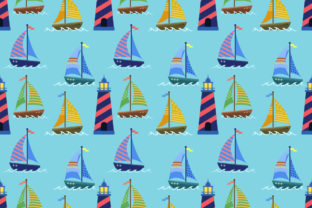
The sailing boat pattern refers to a repeating design motif that features elements such as boats, sails, waves, and nautical symbols. These patterns are often used in decorative contexts, such as textiles, wallpaper, and digital backgrounds. The pattern can be simple or complex, depending on the designer's intent and the project's purpose.
One of the key aspects of the sailing boat pattern is its adaptability. It can be stylized to fit different aesthetics—modern, vintage, minimalist, or ornate. This makes it a popular choice for designers looking to add a touch of maritime charm to their work.
Why Use the Sailing Boat Pattern?
- Aesthetic Appeal: The sailing boat pattern adds visual interest and character to any design.
- Cultural Significance: Boats and sailing have long been associated with adventure, exploration, and freedom, making the pattern emotionally resonant.
- Design Versatility: It works well across multiple mediums, including print, digital, and even 3D modeling.
- Brand Identity: For businesses related to travel, marine industries, or lifestyle brands, the pattern can reinforce brand values and themes.
Getting Started with the Sailing Boat Pattern
If you're new to using patterns in design, the sailing boat pattern offers a great starting point. Here's how you can begin:
Step 1: Choose the Right Format
When working with the sailing boat pattern, it's important to select the correct file format. The zip file you receive includes both a JPG and an EPS 8 file. Each format has its own advantages:
- JPG: Ideal for web use and general digital projects due to its high quality and compatibility with most platforms.
- EPS 8: Best suited for vector-based design tools like Adobe Illustrator and Affinity Designer. EPS files maintain scalability without loss of quality, making them perfect for print and professional design work.
Step 2: Importing the Pattern into Design Software
Once you've downloaded the zip file, extract the contents to access the JPG and EPS files. To use the pattern in your design software:
- Open your design program (e.g., Adobe Illustrator or Affinity Designer).
- Import the EPS file by selecting "File > Place" or using the corresponding import option.
- Adjust the size and position of the pattern to fit your project's needs.
- Use the pattern as a background, texture, or decorative element within your design.
Practical Applications of the Sailing Boat Pattern
The sailing boat pattern isn't just for decorative purposes—it can be integrated into a variety of practical applications. Here are some examples:
1. Branding and Logo Design
For companies in the travel, marine, or outdoor industries, the sailing boat pattern can be incorporated into logos, stationery, and packaging. It helps create a cohesive brand identity that reflects the company's values and mission.
2. Website Backgrounds and UI Elements
In web design, the sailing boat pattern can serve as a subtle background or accent element. When used carefully, it enhances user experience without overwhelming the content.
3. Print Media and Packaging
Whether it's a brochure, poster, or product box, the sailing boat pattern adds a unique and eye-catching visual element. It's especially effective in creating a sense of adventure and exploration.
4. Educational and Creative Projects
Students and educators can use the pattern in classroom activities, art projects, or presentations. It encourages creativity and provides a visual context for learning about maritime history, geography, or design principles.
Common Misconceptions About the Sailing Boat Pattern
While the sailing boat pattern is widely used, there are some common misunderstandings that designers should be aware of:
- Misconception 1: The pattern is only suitable for nautical-themed projects. Reality: It can be adapted to various themes, including travel, adventure, and even abstract design.
- Misconception 2: It's difficult to edit once imported. Reality: With vector formats like EPS, you can easily modify the pattern in design software.
- Misconception 3: It's not scalable. Reality: Vector files maintain quality at any size, making them ideal for both small and large-scale projects.
How to Enhance Your Design with the Sailing Boat Pattern
To make the most of the sailing boat pattern, consider these tips:
- Combine with Other Elements: Pair the pattern with complementary colors, textures, or typography to create a balanced and visually appealing design.
- Use It Sparingly: Avoid overusing the pattern; it should enhance your design rather than distract from it.
- Experiment with Layouts: Try placing the pattern in different areas of your design to see how it interacts with other elements.
- Customize for Specific Needs: Modify the pattern to match your project's specific requirements, whether it's for branding, education, or personal use.
Conclusion
The sailing boat pattern is more than just a decorative element—it's a powerful tool for designers, educators, and creators. By understanding its purpose, applications, and how to use it effectively, you can unlock new possibilities in your design work. Whether you're working on a personal project or a professional design, the sailing boat pattern offers a versatile and engaging way to add visual interest and meaning to your creations.
If you're looking for a high-quality, scalable pattern that works across multiple design platforms, the sailing boat pattern is an excellent choice. With the right tools and techniques, you can bring this timeless design element to life in your next project.